Medicines to tell your dentist
Some everyday medicines change how a dentist plans surgery. Here are the ones that matter most, and how to share them.
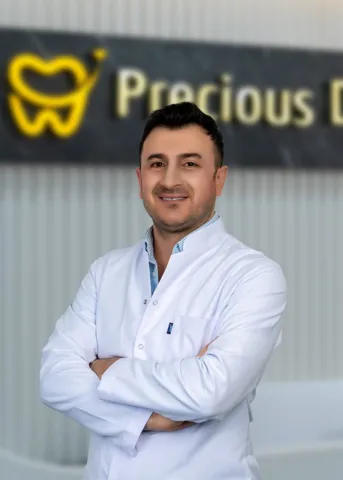 Medically reviewed by Dt. Hüseyin Yavuz Özbek, implant surgeon · Updated October 2026
Tell your dentist about every medicine, especially blood thinners (warfarin, apixaban, rivaroxaban, clopidogrel, aspirin), bone medicines (alendronic acid and other bisphosphonates, denosumab), steroids, immune-suppressing medicines, diabetes medicines and blood pressure tablets. Never stop a medicine on your own before dental treatment; your dentist and GP will advise.
When people list their medicines for a dentist, they often leave things out: the daily aspirin, the weekly bone tablet, the inhaler. Some of those matter a great deal for implant surgery. This article covers the main groups. It is general information; your dentist and GP decide what is right for you.
Blood thinners
Warfarin, apixaban, rivaroxaban, edoxaban, dabigatran, clopidogrel, ticagrelor and low-dose aspirin all affect bleeding. Extractions and implant surgery cause bleeding. Your dentist needs to know which one you take, the dose and why.
Do not stop them yourself. These medicines prevent strokes and clots. Stopping them can be more dangerous than the dental bleeding. Often treatment goes ahead with the medicine continued and extra care to stop bleeding. If you take warfarin, your dentist may ask for a recent INR result.
Bone medicines
Bisphosphonates (alendronic acid, risedronate, ibandronic acid, zoledronic acid) and denosumab are used for osteoporosis and some cancers. Rarely, they can affect how the jawbone heals after extractions or implants. The risk is higher with injections and long use. The NHS describes jawbone damage as a rare side effect of alendronic acid that your dentist can check for, and advises regular dental check-ups while taking it.
Tell your dentist which one, whether tablets or injection, and for how many years. They may adjust the plan or talk to your doctor.
Steroids and immune-suppressing medicines
Long-term steroids such as prednisolone, and medicines for rheumatoid arthritis, Crohn’s disease or after transplants, can slow healing and raise infection risk. Tell your dentist.
Diabetes medicines
Your dentist will want to time appointments around meals and medicines so your blood sugar stays steady, especially if you are asked not to eat before sedation.
Blood pressure and heart medicines
These can interact with some anaesthetics and affect how you feel when you sit up after a long appointment. List them all.
Others to mention
- Antidepressants and anxiety medicines.
- Epilepsy medicines.
- Herbal remedies and supplements, such as ginkgo, garlic and fish oil, which can affect bleeding.
- Any medicine you have stopped in the last year.
How to share your list
- Print or copy your repeat prescription, which lists names and doses.
- Add anything bought over the counter.
- Send it with your X-ray before you travel.
- Bring the list and all your medicines, in original packs, to Antalya.
Medicines after treatment
You will usually be given painkillers and often antibiotics after surgery. Ask what each one is for, how to take it, and whether it is safe with your usual medicines. Read pain after treatment and implant aftercare.
Why this is a test of your dentist
A careful dentist reads your list and asks about it. If you take a blood thinner or a bone medicine and your dentist does not mention it before surgery, ask why. Read health conditions to tell your dentist.
Antibiotics: what to expect
Many dentists prescribe antibiotics around implant surgery, starting before or on the day and continuing for a few days. Take the full course as directed. Tell your dentist about any antibiotic allergy, and what happened. A rash is different from a serious reaction, and the difference affects what they can safely prescribe. If you take warfarin, mention it again when antibiotics are prescribed, as some antibiotics can affect it.
Mouthwash
You may be given a mouthwash such as chlorhexidine for the first week or two. It helps keep the area clean, but it can stain teeth and affect taste if used for a long time. Use it as directed and stop when your dentist says.
Bringing medicines into Türkiye
Carry your usual medicines in their original packaging, with a copy of your prescription or a letter from your GP, especially for controlled medicines. Keep them in your hand luggage, with enough for the whole trip and a few days extra in case of delay. The GOV.UK travel advice for Türkiye has guidance on bringing medicines.
A sample medicine list
“Amlodipine 5 mg once a day (blood pressure). Atorvastatin 20 mg at night (cholesterol). Apixaban 5 mg twice a day (atrial fibrillation). Alendronic acid 70 mg once a week, for 4 years (osteoporosis). Omeprazole 20 mg (stomach). Allergic to penicillin: rash. Non-smoker.”
A list like this, sent with your X-ray, lets your dentist spot what matters before you travel and plan around it. In this example, the blood thinner and the bone medicine would both need discussion before implant surgery.
Changing medicines for treatment
If your dentist suggests changing or pausing a medicine, ask them to confirm it with your GP or specialist. Decisions about blood thinners and bone medicines should be shared between your dentist and the doctor who prescribes them, not made by you alone or by the clinic alone.
Blood thinners at a glance
| Type | Examples | What your dentist may ask |
|---|---|---|
| Vitamin K antagonist | Warfarin | Your recent INR result, and who manages your dosing |
| Direct oral anticoagulants | Apixaban, rivaroxaban, edoxaban, dabigatran | Dose, timing, and why you take it |
| Antiplatelets | Aspirin, clopidogrel, ticagrelor | Whether you take one or two, and why |
The NHS warfarin page advises showing your anticoagulant alert card to your dentist before any dental procedure, and the NHS clopidogrel page says not to stop it without first talking to your doctor or dentist. That is the key message: tell, do not stop. Your dentist will plan extractions and surgery with this in mind, often using stitches, local measures to control bleeding and careful timing.
Bone medicines in more detail
For alendronic acid, the NHS lists a loose tooth, mouth sores, or pain and swelling in the mouth or jaw as reasons to contact your dentist as well as your doctor, because rarely they can be a sign of jawbone damage. The NHS also advises regular dental check-ups while taking it. For you as an implant patient, that means two things: tell your Antalya dentist exactly what you take and for how long, and keep up check-ups at home afterwards.
Painkillers your dentist may suggest
Common painkillers after dental surgery include paracetamol and anti-inflammatory medicines such as ibuprofen. Anti-inflammatories are not suitable for everyone: for example, people with some stomach, kidney or heart conditions, some people with asthma, and people on blood thinners may need to avoid them. Tell your dentist about these before they prescribe, and do not combine medicines without checking.
Supplements and herbal remedies
People often leave these off their list. High-dose fish oil, garlic, ginkgo and some other supplements may increase bleeding. St John’s wort interacts with many medicines. Add them to your list and let the dentist decide whether they matter.
A checklist before you fly
- Repeat prescription printed or photographed.
- Over-the-counter medicines and supplements added.
- Allergies listed, with what happened.
- Bone medicines: name, tablets or injection, how many years.
- Blood thinners: name, dose, why, latest INR if on warfarin.
- List sent with your X-ray; copy in your bag.
- Enough medicine for the trip plus a few days, in original packs.
Read your first consultation. Our implant surgeon, Dt. Hüseyin Yavuz Özbek, will go through your list before surgery.
After you get home
If your GP or another doctor changes your medicines between implant trips, tell your Antalya dentist. Keep up regular check-ups with a UK dentist, especially if you take a bone medicine, as the NHS advises for alendronic acid. Read UK follow-up support.
Common questions
Should I stop my blood thinner before implant surgery?
Not on your own. Stopping some blood thinners can be dangerous. Tell your dentist and your GP; they will decide together.
Why do osteoporosis tablets matter?
Bisphosphonates such as alendronic acid can, rarely, affect how the jawbone heals after surgery. The NHS lists jawbone damage as a rare side effect of alendronic acid and advises regular dental check-ups while taking it.
Do I need to bring my medicines to Antalya?
Yes, enough for the whole trip, in their original packs, with a list in English.
Will my dentist give me antibiotics?
Often, around implant surgery. Tell them about any antibiotic allergy.
Sources
- NHS: warfarin
- NHS: clopidogrel
- NHS: alendronic acid
- NHS: alendronic acid side effects
- NHS: common questions about clopidogrel
Checked October 2026. Where we give our own view as a clinic, we say so.
Send your question to a Precious Dental dentist
Send an X-ray or a few photos. A Precious Dental dentist will reply with a written plan and price. Ask us who would treat you at each stage. No obligation.