Questions to ask yourself before choosing a dentist
The best dentist for you depends partly on you. Answering these questions first makes every conversation with a dentist more useful.
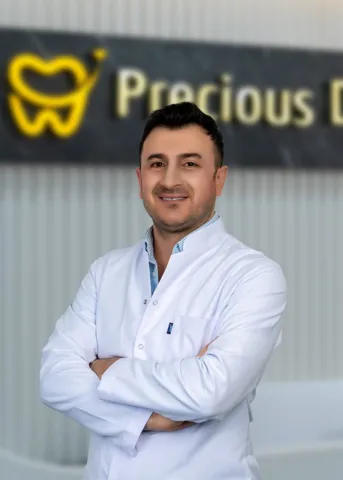 Medically reviewed by Dt. Hüseyin Yavuz Özbek, implant surgeon · Updated October 2026
Before choosing a dentist, be clear about what you want to change, what you want to avoid, how much time you can spend in Antalya, your health and medicines, your budget including flights, and how you feel about dental treatment. Write the answers down and share them with each dentist you contact.
Most advice about choosing a dentist is about the dentist. But a plan is a match between a dentist and a patient. If you are not clear about what you want, a dentist will fill the gap, and that is how people end up with more treatment than they needed. These questions take ten minutes. Write your answers down.
1. What do I want to change?
Be specific. “I can’t eat steak with my denture” is more useful than “I want implants”. “My front teeth are dark and chipped” is more useful than “I want a Hollywood smile”. Describe the problem, not the solution. The dentist will suggest the solution.
2. What do I want to avoid?
This is the question most people skip. Do you want to keep your natural teeth if you can? Do you hate the idea of anything removable? Do you want a natural look rather than very white? Tell the dentist. A good one will plan around it. Read when a good dentist says no.
3. How much time can I spend?
Veneers and crowns usually take about a week in Antalya. Implants usually take two trips, three to six months apart. If you can only travel once, say so early: it changes what is possible. Read treatment timelines.
4. What is my health like?
List your conditions and every medicine, including those for blood pressure, diabetes, osteoporosis or blood thinning. Note whether you smoke. These change implant plans more than anything else. Read health conditions to tell your dentist and medicines.
5. What is my budget, really?
Add flights, any extra nights and time off work to the treatment price. Decide your upper limit before you see any quotes. Tell the dentist. They can often suggest a phased plan or what to do first.
6. How do I feel about dental treatment?
If you are nervous, say so. It changes how a dentist plans appointments, numbing and breaks. Read nervous patients.
7. Who will come with me?
A companion helps a great deal, especially for implant surgery. If you will travel alone, tell the clinic so they can plan transfers and check on you. Read bringing a companion.
8. Who will look after my teeth at home?
Do you have a UK dentist? Will they see you after treatment abroad? Ask them before you go. Read UK follow-up.
Turning your answers into a message
Put your answers into a short message for each dentist you contact. Something like:
“I am 64 and wear an upper denture that moves when I eat. I want fixed teeth and I would like to keep my lower teeth if possible. I can travel twice next year. I take blood pressure tablets and I do not smoke. I am a bit nervous about surgery. I will travel with my husband.”
A dentist who receives that message can give you a far better first opinion than one who receives “how much for implants?”.
Then choose the dentist
With your answers ready, follow our guide to choosing a dentist in Antalya, or send your message to one of our top picks.
What matters most to you?
Most people want everything: the best result, the lowest price, the shortest trip, the least discomfort. In practice, you will have to balance these. Try ranking them. If a natural result matters most, you may accept a longer trip for a trial smile. If time matters most, you may choose a plan with fewer stages. If cost matters most, you may phase the treatment. Telling your dentist your order of priorities helps them suggest the right plan.
How long do you want it to last?
A 55-year-old planning for the next thirty years may choose differently from an 80-year-old who wants comfort and confidence now. Neither is wrong. Tell the dentist how you think about the long term, and ask how each option will age.
What will you do if something goes wrong?
Think about it now, while you are calm. Could you fly back if needed? Do you have a UK dentist who would see you? Do you have savings for a repair not covered by a guarantee? Your answers may change which clinic and which plan you choose. Read guarantees and records.
Who else is affected?
A partner who will travel with you, family who will help you recover, work that needs time off. Treatment abroad affects more than your mouth. Talk to the people involved before you book.
Are you ready?
Some people contact clinics after years of thinking about it. Others decide after a bad week with a broken tooth. If you feel rushed, it is fine to collect opinions first and decide later. Plans from good dentists do not expire overnight.
A one-page worksheet
| Question | My answer |
|---|---|
| The thing that bothers me most about my teeth | |
| What I want to keep (my own teeth, my shape, my colour) | |
| How natural or striking I want the result | |
| Months I could travel, and how many trips | |
| My health conditions and medicines | |
| Do I smoke or grind my teeth? | |
| My total budget, including flights | |
| My biggest worry about treatment abroad | |
| Who could come with me | |
| My UK dentist, if any |
Print it, fill it in, and keep it by you when you talk to dentists. It keeps the conversation about you, not about the clinic’s standard package.
The NHS option first
Before committing to treatment abroad, it is worth knowing what is available at home. The NHS website explains how NHS dental charges work and how to find a dentist. Some treatment, like fillings, extractions, root canals and some crowns and dentures, is available on the NHS at banded prices. Implants and purely cosmetic work are usually private. Knowing which parts of your plan could be done at home, and which could not, may change what you decide to do abroad.
When your answers point to waiting
Sometimes the worksheet shows that now is not the right time: a health condition is not stable, you cannot travel twice this year, or the budget would mean cutting corners. That is a useful result. A good dentist will respect it and help you plan for later, perhaps with urgent work done now and the rest when you are ready.
When your answers point to a particular kind of dentist
- Want to keep your own teeth? Look for a dentist who talks about root canals, gum treatment and bonding, not only implants and crowns.
- Want a natural look? Look for a cosmetic dentist who offers a trial smile. Read the trial smile.
- Nervous? Look for patience and clear explanations. Read nervous patients.
- Complex health? Look for a dentist who asks detailed questions. Read health conditions.
Then use our lists to find them: implant dentists, cosmetic dentists and all dentists A–Z.
Talking it over with family
Once you have your answers, share them with the people closest to you. Family members often remember things you have forgotten, such as a reaction to an anaesthetic years ago, or notice what you are not saying, such as how nervous you really are. They may also have practical views about travel, budget or timing. Their support makes the whole process easier, especially if one of them will travel with you.
Then send your answers to two or three dentists. Read shortlisting three dentists for what to do next.
Common questions
Why should I think about this before contacting dentists?
Because a dentist can only plan well if they know what you want, what you can manage and what worries you. Clear answers get you clearer plans.
What if I do not know what treatment I need?
That is fine. Say what bothers you and what you hope for. The dentist's job is to suggest the treatment.
How much time should I allow?
About a week for veneers or crowns. For implants, two trips months apart.
Should I mention my budget?
Yes. A good dentist can tell you what is possible within it, and what to prioritise.
Sources
- NHS: treatment abroad checklist
- NHS: dentures
- NHS: understanding NHS dental charges
- NHS: find a dentist
Checked October 2026. Where we give our own view as a clinic, we say so.
Send your question to a Precious Dental dentist
Send an X-ray or a few photos. A Precious Dental dentist will reply with a written plan and price. Ask us who would treat you at each stage. No obligation.